Australian Partner Visa (Onshore) Explained: Subclasses 820 and 801
Applying for an onshore partner visa in Australia can feel overwhelming, especially with subclasses 820 and 801 involved. You want clear steps and honest advice to navigate eligibility, evidence, and processing times without added stress. This guide breaks down the pathway from the temporary Partner Visa 820 to the permanent Partner Visa 801, helping you understand your rights and what to expect along the way. Let’s walk through what you need to know and how EMC Australia supports you every step of the way.
Partner Visa 820 Eligibility
Starting your journey with the Partner Visa 820 can seem daunting, but with the right guidance, you’re on your way to success. Let’s break down what you need to know.
Understanding Subclass 820 Requirements
To apply for the Partner Visa 820, you must be in Australia and either married to or in a de facto relationship with an Australian citizen, permanent resident, or eligible New Zealand citizen. The application process involves several key steps:
Proof of Relationship: You need to show your relationship is genuine and ongoing. This includes joint bank statements, shared bills, and photographs.
Health and Character Requirements: You and your partner must meet certain health and character standards. This includes police checks and medical examinations.
Application Fee: The cost starts from AUD 11,710. Make sure you’re aware of all associated fees before you apply.
By ensuring all these boxes are ticked, you set a strong foundation for your visa journey. Remember, a well-prepared application increases your chances of a smooth process.
Evidence Planning and Document Checklists
Gathering evidence for your visa application is crucial. Here’s how to make it less overwhelming:
Organise Documents Now: Start early to avoid last-minute stress. Create a checklist that includes Form 888 statutory declarations from friends and family, rental agreements, and joint travel itineraries.
Digital Copies: Keep digital copies of everything. This ensures you won’t lose important papers and makes it easy to submit online.
Regular Updates: Relationships evolve, so update your evidence regularly. This keeps your application current and demonstrates ongoing commitment.
Planning ahead saves time and reduces anxiety. The more organised you are, the more confident you’ll feel when hitting ‘submit’.
Navigating the 801 Permanent Visa
Once you’ve secured your Partner Visa 820, the path to permanency begins. Here’s what awaits you on the journey to the 801 visa.
Transitioning from 820 to 801
Moving from the temporary 820 visa to the permanent 801 visa can be smoother than you think. Here’s what to expect:
Two-Year Wait: Typically, you can apply for the 801 visa two years after lodging your 820 application. Use this time to gather more proof of your relationship’s continuity.
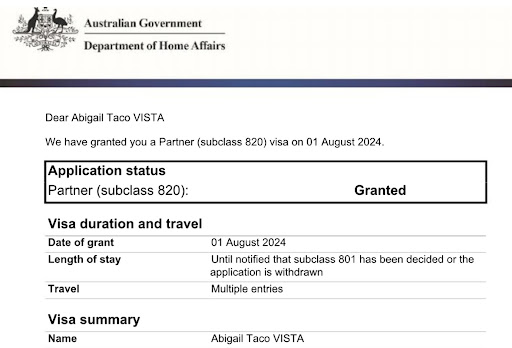
Automatic Notification: If eligible, you’ll receive a letter from the Department of Home Affairs. This prompts you to submit additional documents for the 801 application.
No Extra Fees: The good news is you’ve already paid for this when you lodged your 820 application.
Understanding these steps empowers you to anticipate the process and prepare effectively, making the transition as seamless as possible.
Preparing for the 801 Stage
Ready for the next stage? Here’s how to ensure your 801 visa application is on point:
Relationship Evidence: Continuously collect evidence, similar to your 820 preparations. Include updated photos, joint commitments like leases, and ongoing financial sharing.
Personal Statements: Share your relationship’s journey. How have you supported each other? What future plans do you have together?
Check Processing Times: Stay informed. Familiarise yourself with partner visa processing times to set realistic expectations.
Preparation and patience are key. With the right documentation and clear expectations, you’re well on your way to securing your permanent residency.
Supporting Your Visa Journey with EMC
EMC Australia stands by your side, offering expert guidance through every step of your visa journey. Let’s explore how our support can make a difference.
Role of a Registered Migration Agent Australia
A registered migration agent can be your greatest ally. Here’s why you might consider one:
Expert Guidance: They understand the intricacies of visa applications, saving you time and stress.
Personalised Support: Tailored advice means more relevant support. They help identify the best strategies for your specific situation.
Peace of Mind: Knowing a professional is handling your case brings peace and confidence.
You don’t have to face this journey alone. With our support, you’re empowered and informed every step of the way.
Partner Visa Processing Times Australia
Timing can be a concern for many applicants. Here’s what you need to know about processing times:
Current Estimates: Processing times fluctuate. Currently, Partner Visa 820 takes 23-30 months, while 801 takes 12 months once eligibility is reached.
Factors Affecting Times: Complete applications with all required documents tend to move faster through the system.
Stay Informed: Use online tools to track progress and receive updates.
Understanding these timelines helps manage expectations and reduces anxiety. Stay proactive and informed to ensure a smoother process.
By remaining organised and informed, your journey to securing an Australian Partner Visa becomes clearer and more manageable. Trust in EMC Australia’s expertise to guide you through each step, ensuring you feel supported and confident in your path to a bright future in Australia.
Message us on WhatsApp +61 478 278 410 or cal us on +61 3 9069 3284