
Applying for an Australian Partner Visa is an exciting step for couples planning to build their future together in Australia. One of the first and most important decisions is choosing the correct visa pathway. The two temporary Partner Visa options are the Subclass 820 (Onshore Partner Visa) and the Subclass 309 (Offshore Partner Visa).
Although both visas can lead to permanent residency, they are designed for applicants in different circumstances. Understanding the differences before you lodge your application can help you avoid unnecessary delays and ensure you apply under the correct visa subclass.
What is the Subclass 820 Partner Visa?
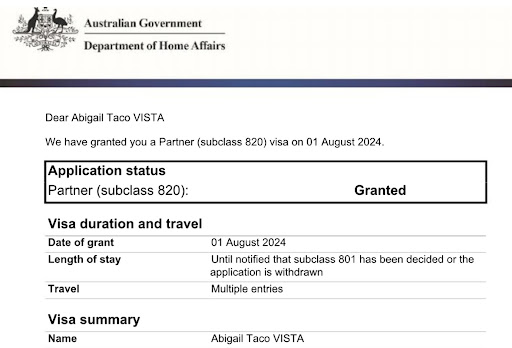
The Partner Visa (Subclass 820) is a temporary onshore visa for applicants who are already in Australia.
To apply for a Subclass 820 visa, you must:
- Be in Australia when you lodge your application.
- Be in Australia when the temporary Subclass 820 visa is granted.
- Be sponsored by an eligible Australian citizen, Australian permanent resident, or eligible New Zealand citizen.
- Be married to, or in a genuine and continuing de facto relationship with, your sponsoring partner.
If you lodge a valid Subclass 820 application while holding an eligible visa, you may be granted a Bridging Visa, which may allow you to remain lawfully in Australia while your Partner Visa application is being processed.
What is the Subclass 309 Partner Visa?
The Partner Visa (Subclass 309) is a temporary offshore visa for applicants who are outside Australia.
To apply for a Subclass 309 visa, you must:
- Be outside Australia when you lodge your application.
- Be sponsored by an eligible Australian citizen, Australian permanent resident, or eligible New Zealand citizen.
- Be married to, or in a genuine and continuing de facto relationship with your sponsoring partner.
If you are currently in Australia, you generally need to leave Australia before lodging a Subclass 309 application because applicants must be outside Australia at the time of lodgement.
Subclass 820 vs Subclass 309: What’s the Difference?
| Subclass 820 (Onshore) | Subclass 309 (Offshore) |
|---|---|
| Lodge your application in Australia | Lodge your application outside Australia |
| Must be in Australia when the temporary visa is granted | Must be outside Australia when lodging the application |
| Suitable for applicants already in Australia | Suitable for applicants living overseas |
| May lead to permanent Partner Visa (Subclass 801) | May lead to permanent Partner Visa (Subclass 100) |
Common Mistakes Applicants Make
1. Applying for the Wrong Visa Subclass
One of the most common mistakes is choosing the wrong Partner Visa simply because of relationship status. Whether you’re married or in a de facto relationship does not determine whether you should apply for the Subclass 820 or Subclass 309.
The deciding factor is generally where you are when you lodge your application.
2. Assuming Marriage Guarantees Approval
Many people believe that getting married automatically guarantees a Partner Visa.
This is not the case.
The Department of Home Affairs assesses whether your relationship is genuine and continuing. Applicants must provide sufficient supporting evidence and satisfy all legislative requirements.
3. Not Providing Enough Relationship Evidence
A successful Partner Visa application should include evidence across the four relationship categories:
- Financial aspects
- Nature of the household
- Social aspects
- Nature of your commitment to each other
Providing clear and well-organised evidence can help support your application.
4. Not Understanding Current Visa Conditions
If you’re already in Australia, your current visa conditions may affect your available visa options.
Before lodging any Partner Visa application, it’s important to understand how your current visa status may impact your eligibility. Seeking professional advice can help you determine the most appropriate pathway.
Which Partner Visa Is Right for You?
There is no single answer that suits every couple.
The right visa pathway depends on factors such as:
- Where you are when you lodge your application
- Your current visa status
- Your future travel plans
- Your relationship circumstances
- Whether you meet the legislative requirements
Every application is different, so understanding your options before lodging can help avoid unnecessary delays and complications.
Let EMC Australia Help You
Choosing the correct Partner Visa pathway can make a significant difference to your application.
At EMC Australia – Education & Migration Centre, our Registered Migration Agent can assess your individual circumstances and provide professional advice tailored to your situation.
Whether you’re applying for a Subclass 820 (Onshore Partner Visa) or a Subclass 309 (Offshore Partner Visa), we’re here to guide you through every stage of the process.
📱 WhatsApp: +61 047 827 8410 / Email: k.rivera@emcaustralia.com.au
🌐 Website: www.emcaustralia.com.au
Disclaimer
This article provides general information only and should not be considered migration or legal advice. Australian migration law is complex, and every applicant’s circumstances are different. Professional advice should be sought based on your individual situation.