The Australian Partner Visa (Onshore): A Complete Guide to Subclasses 820 and 801
Navigating the onshore partner visa Australia process can feel overwhelming when you’re juggling visas, documents, and timelines. The subclasses 820 and 801 offer a clear pathway from temporary to permanent residency, but only if you know what’s needed and when. This guide breaks down the partner visa 820 and 801 steps, eligibility, evidence requirements, and key tips so you can plan confidently and focus on building your future together.
Understanding Partner Visa 820 and 801
To make informed decisions about your visa journey, it’s crucial to grasp the foundational aspects of the Partner Visa 820 and 801. Let’s start with the essential criteria and requirements you need to meet.
Key Eligibility Criteria
The journey to a Partner Visa begins with understanding who qualifies. You must be the spouse or de facto partner of an Australian citizen, permanent resident, or eligible New Zealand citizen. This ensures the legitimacy of your relationship. The visa is a two-step process, starting with a temporary visa and leading to permanent residency.
In real terms, this means proving a genuine and continuing relationship. You’ll need to provide evidence like shared bills, leases, or financial commitments. These documents should show that you live together or, if separated, that your separation is temporary.
Navigating Sponsor Requirements
Your partner acts as your sponsor, and they must meet certain conditions. They need to be at least 18 years old and approved by the Department of Home Affairs. This approval process includes character checks and possibly police clearances.
The sponsor must also be willing to support you financially. This includes providing accommodation and financial assistance if necessary. It’s a significant commitment, designed to ensure that the relationship is genuine and that you will be supported while in Australia.
Health and Character Checks
Health and character checks are mandatory for the visa application. You must undergo a medical examination by an approved panel physician to ensure you meet the health requirements. This is crucial, as it covers you for the duration of your stay in Australia.
Character checks involve providing police certificates from any country you have lived in for 12 months or more over the past 10 years. The aim is to ensure you have no significant criminal record, keeping the process transparent and trustworthy.
Preparing Your Application
Once you understand the basic requirements, it’s time to gather your paperwork. This stage involves collecting proof of your relationship and ensuring all documents are in order.
Gathering Essential Evidence
The evidence you gather is the backbone of your application. Start with photos, social media interactions, and travel itineraries that showcase your time together. This paints a picture of your shared life.
Documents like joint leases or utility bills are also crucial. They demonstrate that you live together and share financial responsibilities. Remember, the more detailed and specific your evidence, the stronger your application will be.
Relationship Timeline and Proof of Cohabitation
Building a timeline of your relationship helps illustrate its progression. Highlight significant milestones like anniversaries, shared holidays, and family events. This not only shows the length of your relationship but also its depth.
Proof of cohabitation is equally important. If you don’t live together continuously, explain the reasons and provide evidence of communication during those times. This reassures officials of the relationship’s authenticity.
Bridging Visa Conditions and Rights
While waiting for your Partner Visa, you may be eligible for a Bridging Visa. This allows you to stay lawfully in Australia during the processing period. Understand the conditions, as they vary based on your previous visa status.
Bridging Visas often come with work rights, letting you support yourself. However, ensure you understand any restrictions, such as travel limitations, to avoid complications.
Managing the Visa Process
With all your documents ready, it’s time to navigate the processing phase. Here, you’ll learn about timelines, interviews, and costs involved in the Partner Visa application.
820 to 801 Timeline and Processing Times
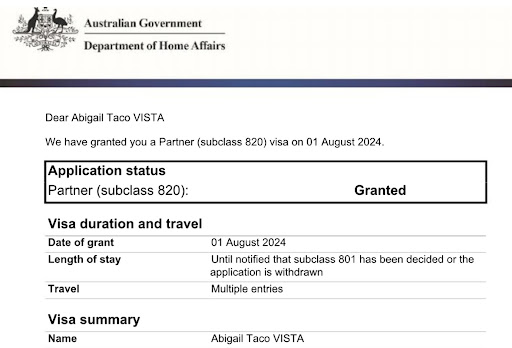
The transition from a temporary (820) to a permanent (801) visa typically takes around two years. This period allows for assessment of the relationship’s continuity. However, processing times can vary, so staying informed and patient is key.
During this time, keep updating the Department with any significant changes in your situation. This transparency helps avoid delays and ensures your application remains on track.
Tips for the Partner Visa Interview
If an interview is required, preparation is crucial. Be honest and clear in your responses. Familiarize yourself with the details of your application to confidently discuss your relationship’s history and plans.
Remember, the interview is your chance to provide any additional information and clarify any points of concern. Approach it with calm and confidence, knowing you’re prepared.
Partner Visa Costs and Professional Support
The application costs for the Partner Visa can be significant, often over AUD 7,000. Budgeting for these expenses early on can ease financial strain.
Consider seeking professional support from a registered migration agent. While this adds to the cost, their expertise can streamline the process and reduce the risk of errors. They provide guidance tailored to your specific situation, offering peace of mind.
In conclusion, the journey to securing a Partner Visa in Australia is detailed but manageable with the right information and planning. By understanding each step and preparing thoroughly, you can confidently navigate the process and focus on your future together.