
Australian Partner Visa Guide: Subclasses 309 and 820 Explained — Eligibility, Evidence, and Process
Navigating the Partner Visa process can feel overwhelming when you’re unsure about the differences between subclass 309 and 820. Whether you’re applying from offshore or onshore, understanding eligibility, preparing the right evidence, and knowing what to expect in each step is crucial. This guide breaks down everything you need to know about the Partner Visa Australia process, so you can plan confidently and keep your future on track. For more details, check out this link: https://immi.homeaffairs.gov.au/visas/getting-a-visa/visa-listing/partner-onshore/temporary-820.
Understanding Partner Visa Subclasses

Are you puzzled by the different Partner Visa subclasses? You’re not alone, and we’re here to shed light on what each subclass entails, helping you make the best decision for your journey to Australia.
Partner Visa 309 vs 820
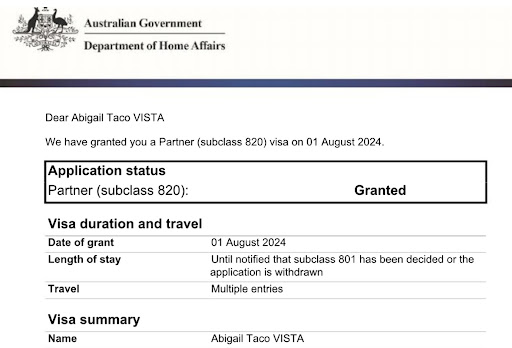
Let’s start with a comparison. The Partner visa 309 is for those applying from abroad. It’s the initial step towards a permanent stay in Australia. The Partner visa 820, on the other hand, is for applicants already in the country. Each serves as a pathway to a permanent solution: the 100 or 801 visas. Understanding the distinction between onshore and offshore applications can streamline your process and set you up for success. Both begin your path to living permanently in Australia, but your location at the time of application will determine which one you apply for.
Eligibility Criteria for Partner Visas
Knowing who is eligible can save you time and effort. To apply, you must be a spouse or de facto partner of an Australian citizen, a permanent resident, or an eligible New Zealand citizen. You need to prove your relationship is genuine and ongoing. This involves meeting specific criteria, such as residency requirements and sponsorship obligations. A detailed eligibility check can guide you in the right direction and ensure you meet all necessary conditions for application.
Genuine and Continuing Relationship Requirements
Proving your relationship is genuine and ongoing is crucial. You will need to demonstrate a shared life together. This includes providing evidence like joint financial responsibilities, shared living arrangements, and social recognition of your relationship. Many couples think they understand these requirements, but they can be more detailed than expected. Being prepared with the right documentation can set you apart and strengthen your application.
Gathering Required Evidence
Now that you understand the visa types, it’s time to focus on the evidence needed. Proper documentation is key to a successful application, ensuring you meet the criteria set by the Australian government.
Financial and Household Evidence
Financial ties are a significant indicator of a genuine relationship. Shared bills, joint leases, and shared expenses all count. Keep records of these financial interactions. Most people underestimate the importance of this evidence, but it’s vital. Providing clear and detailed financial documentation can make a strong case for your relationship’s authenticity.
Joint Bank Account Evidence
Opening a joint bank account is a straightforward way to show financial interdependence. Regular transfers and shared expenses from this account can serve as evidence. Include bank statements and transaction records. This simple step is often overlooked, yet it’s one of the most compelling pieces of evidence you can provide.
Cohabitation Proof in Australia
Living together is a cornerstone of proving your relationship. Lease agreements, utility bills, and mail with both names and the same address are crucial. Keeping a record of these documents helps substantiate your claim of cohabitation. It might seem obvious, but the details of living arrangements can be the difference between success and delays.
Application Process and Timeline

Understanding the process and timeline can ease anxieties and help you prepare better. Let’s walk through the steps and what to expect from start to finish.
Steps for Subclass 309 and 820
The application process for both subclasses involves several steps. First, gather your documents, then submit your application. After submission, you’ll wait for a decision. This can take time, so patience is essential. Knowing the stages and what each involves can help you stay organized and focused.
Health and Character Checks in Australia
Health and character checks are mandatory. You’ll need to undergo medical examinations and provide police clearances. Completing these checks promptly can prevent delays. They are crucial checkpoints that many applicants underestimate but are pivotal for a smooth application process.
Bridging Visa Rights for Onshore Applicants
If you’re applying from within Australia, you might need a bridging visa. This allows you to stay legally while your application is processed. It’s an essential consideration for onshore applicants. Understanding your rights and obligations on a bridging visa can ensure you remain compliant and stress-free during the waiting period.
In summary, navigating the Partner Visa process involves understanding the subclasses, gathering the right evidence, and following the application steps diligently. By preparing thoroughly, you can make informed decisions and set your path to Australia with confidence. For further guidance, explore more about partner visas on EMC Australia.